NC&E · USA
Interview Fitz Ellerbe, NC&E
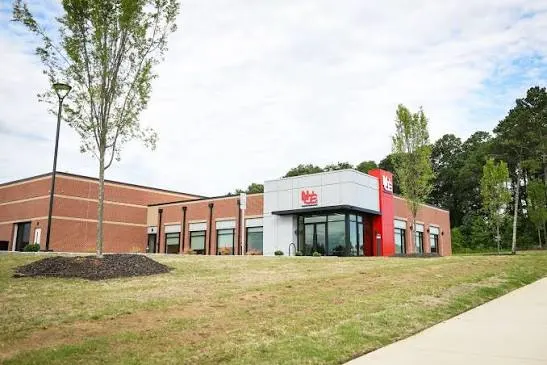
Fitz Ellerbe is one of the owners of NC&E, a US-based electrical contracting firm he runs with his partner, Blake. Fitz oversees day-to-day operations across a mix of commercial and industrial projects. NC&E has worked with Hilti for many years, including both software and hardware solutions.
Frederik Kraus: You’ve been working with Hilti solutions for some time you’re a long-time Fieldwire customer and also used ON!Track. Can you walk me through your digital journey and how it led to trying Hilti’s CrewCenter for labor and workforce management?
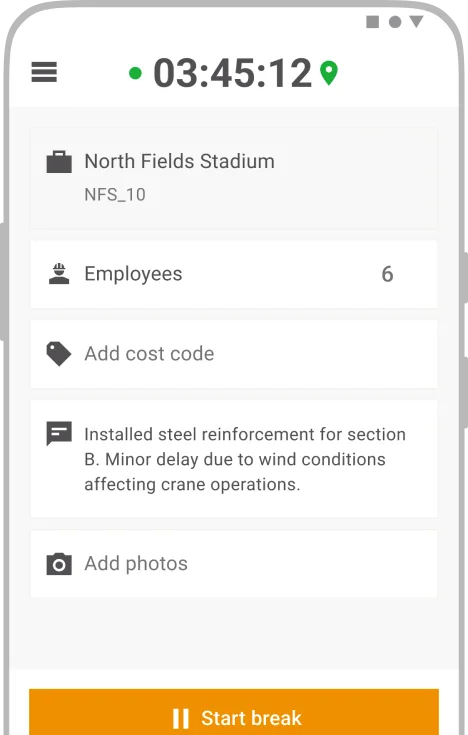
Fitz Ellerbe: Fieldwire had an immediate impact for us. It moved us from paper drawings to digital plans, which was a major step forward. Now all of our foremen use iPads to mark up drawings digitally, and that change alone improved how we work. Given that experience, when the CrewCenter opportunity came up, I was quick to say yes. We’d already seen strong results with Hilti, so we trusted that CrewCenter would be a solid product.
Frederik Kraus: Before CrewCenter, how were you managing time tracking, and what challenges did you face?
Fitz Ellerbe: Our process was mostly paper-based, backed by spreadsheets. Foremen filled out paper timesheets or Excel files and sent them in at week’s end. In the office, Summer, who handles payroll, had to collect everything and manually compile the data. We often chased missing timesheets or had to clarify illegible entries. It took a lot of effort each week just to get everyone’s hours organized and correct, and sometimes it delayed payroll.
Frederik Kraus: How much time would you say it took per week to sort out all the timecards?
Fitz Ellerbe: It was significant up to half a day every week, easily. Summer would spend hours cross-checking and inputting timecard data for payroll. It was practically a part-time job just to verify and process hours. If someone forgot to turn in a timesheet or if numbers didn’t add up, it meant even more time wasted and stress for her.
Frederik Kraus: And what changed after implementing CrewCenter? What differences did you notice?
Fitz Ellerbe: The difference is night and day. Time tracking is now captured digitally at the source. Crews clock in and out using CrewCenter on their phones, or their foremen log their hours in the app daily. By the end of the week, all that data is already in the system. No more chasing paperwork. What used to take four or more hours each week now takes just a few minutes to review and export for payroll. We literally open CrewCenter, review the hours, and everything flows directly into payroll. It’s incredibly efficient.
Frederik Kraus: How about the accuracy and reliability of the data now?
Fitz Ellerbe: It’s much more reliable. We’re not dealing with handwritten or double-entered data, so there’s far less room for error. CrewCenter ensures all the required information, who worked, how long, on which project, gets recorded in a consistent way. We can catch any discrepancies immediately because the data is visible in real time. Overall, we’ve seen fewer mistakes or missing entries since moving to CrewCenter. The data quality is just better, and we can trust it.
Frederik Kraus: How did your team in the field react to CrewCenter? Was it easy for them to adopt after coming from a paper-based process?
Fitz Ellerbe: It went pretty smoothly. Many of our foremen were already comfortable with Fieldwire on their tablets, so adding CrewCenter wasn’t a huge leap. We gave everyone a short training on how to use the app how to clock in, log time for their crew, and so on. The app is straightforward, and they picked it up fast. I think most of them were relieved, it’s less paperwork for them at the end of the week. Now they can focus on their jobs and log time on the go, instead of sitting down to fill out forms later.
Frederik Kraus: And back in the office, was Summer happy with the change?
Fitz Ellerbe: Absolutely she’s thrilled. What was a big weekly chore for her is now basically automated. She might spend a few minutes double-checking the CrewCenter report, but that’s about it. She’s really happy to have that half day back to focus on other tasks.
Frederik Kraus: How has it been working with the Hilti team on CrewCenter? Did having Hilti behind the product influence your expectations?
Fitz Ellerbe: Working with Hilti has been excellent. One of the big advantages of a Hilti solution is the team behind it. We have direct personal contact with the people who developed CrewCenter not just a generic support line. If we have questions or need help, the response is quick and personal. That’s been one of my favorite things, actually: the service and support are above and beyond what we expected, and that gives us a lot of confidence. We knew Hilti as a partner from earlier projects, so having that strong brand and support network behind CrewCenter was a huge factor in us saying yes. It’s a very different feeling from dealing with a small software vendor because with Hilti, we know they’ll stand behind the product and make sure it works for us.
Frederik Kraus: I know you provided some feedback early on. How has the team handled the suggestions or improvement requests you’ve made?
Fitz Ellerbe: I really appreciate how receptive and fast the Hilti team has been. From day one they told us, “Tell us what you need,” and they meant it. I had a couple of suggestions for example, I wanted an easier way to filter and see just unapproved timecards in the approvals screen so I could quickly manage pending time entries. Hilti’s team took these ideas seriously. They were very responsive; I think one suggestion was actually implemented not long after I brought it up. That kind of quick turnaround on requests is impressive and really underscores the partnership. It feels like we’re helping shape the product, which is great.
Frederik Kraus: Stepping back now: overall, what’s been the biggest benefit NC&E has gained from using CrewCenter?
Fitz Ellerbe: If I had to pick one, I’d say efficiency, hands down. We’ve saved a ton of administrative time. Instead of spending hours on manual data entry and follow-ups, that time is freed up for more productive work on the projects. And it’s not just about time savings it’s also peace of mind. We know the time data is captured accurately and up-to-date, which means payroll runs smoothly every week. We’re not scrambling or double-checking at the last minute. The combination of time saved and confidence in the data has been a game-changer.
Frederik Kraus: Finally, what would you tell another contractor who’s still doing things manually about switching to a digital solution like CrewCenter?
Fitz Ellerbe: I’d tell them: don’t hesitate. If you’re still using paper or juggling spreadsheets for time tracking, you’re spending more time than you need to and dealing with unnecessary headaches. Switching to CrewCenter has been a huge improvement for us. It saved us time, reduced errors, and made life easier for everyone, from the crews in the field to the folks doing payroll in the office. In short, it lets you focus on running your business instead of wrestling with paperwork. I’d highly recommend it based on our experience.
Frederik Kraus: Great advice. Thank you so much, Fitz, for sharing your experiences. It’s been really insightful to hear how CrewCenter is working for you.
Fitz Ellerbe: Thank you. Happy to share, we’re really pleased with how things are going.